




In order to free up radio airwaves for the quicker, more energy-efficient 4G and 5G services, mobile networks all around the UK will gradually start turning off their 2G and 3G networks.
Currently, there are four generations of technology: 2G,3G, 4G and the very latest, 5G. During the 1990s, second-generation technology was rolled out, which was then followed by third-generation technology in 2023. Still, the 4G and 5G networks that were introduced in 2012 and 2019, respectively, has made the previous generations seem outdated.
Why are they shutting down?
Cost savings: As technology develops and progresses, maintaining networks spanning several generations is becoming increasingly costly. The continuous upkeep and support of a legacy network takes money and resources away from more recent networks. This may allow current mobile network providers to lower their operational expenses by decommissioning older networks while focusing on improving the current 4G/5G networks on offer.
Customer demand: As most customers and businesses increase their demand for faster service and data connections, they expect quick and reliable connections with minimum latency. As this demand increases, mobile providers are required to meet these demands, and in doing so, shifting their priority to the newer generations of technology (4G/5G) and decommission prior technology services.
Who’s shutting down: The four main mobile network providers in the UK, Vodafone, EE, Virgin Media O2, and Three, are discontinuing their 2G and 3G services. Since these networks are used by all other cell companies to supply their services, they will all be shutting them down as well.
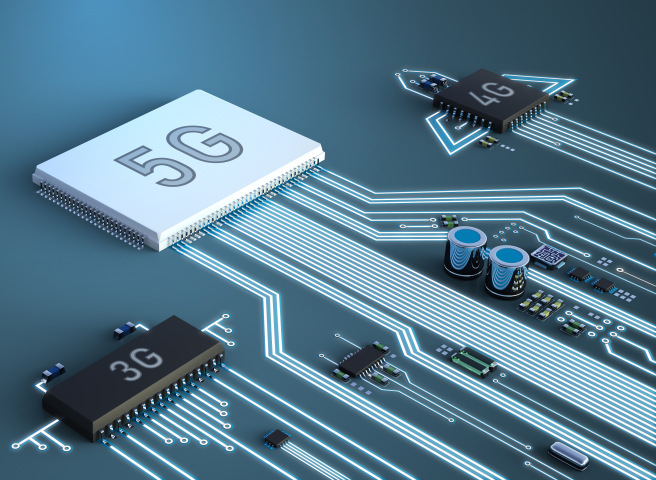
3G Switch Off Updates
- Durham – Switched off in April 2025
- Norwich, Telford and Guildford – Switched off in July 2025
- Torquay – Switched off in August 2025
To address any queries or worries regarding 3G deactivation, kindly get in touch with your cell service provider.
If you’re looking for a new mobile, check out the iPhone 16 range today.