




Data and mobile network history have changed a lot over the years, from the initial invention of 1G to high-speed 5G. Improvements and adaptations have been made over the past 45 years – we’ve gone from unreliable call-only lines to next-generation video game streaming.
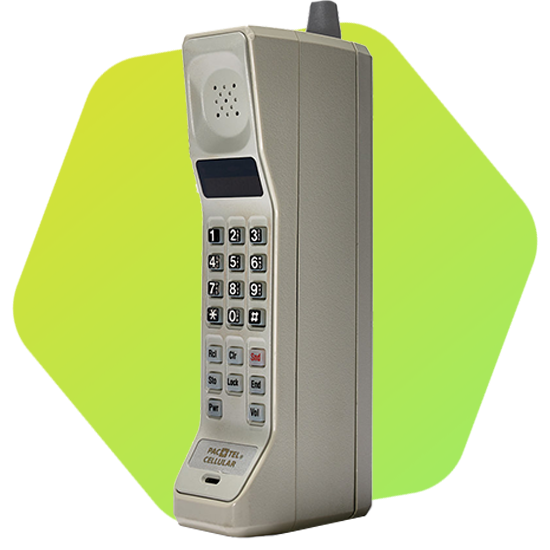
1G: The beginning
The creation of mobile data has been one of the greatest inventions in history. The mobile network history became one to tell the ages after its implementation into society in Tokyo, in 1979. This marks the initiation of development into data capabilities.
Being the first version of mobile data, its strength and connectivity was rather ‘touchy’. Speeds of 2.4 kbps on average don’t allow much other than simple voice calls. Even this was difficult to master. 1G typically suffered from reliability and signal interference on a regular basis.
It was 4 years later when the launch of 1G made its way into highly populated countries. In 1983, 1G was released commercially to the USA and 2 years later, in 1985, it made its way to the UK.
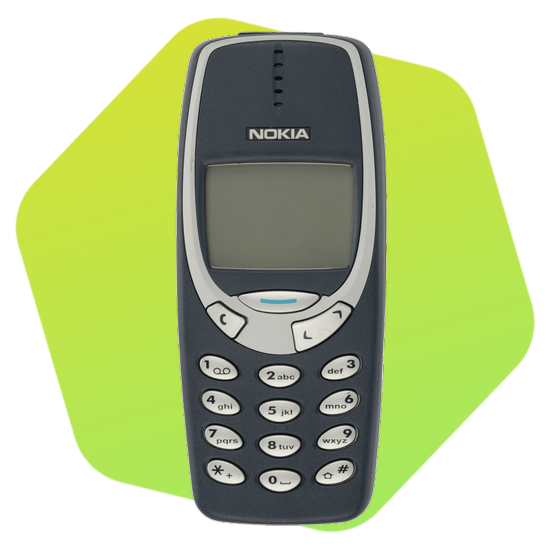
2G
Over 10 years later since the initial release of 1G, 2G made its way onto the scene in 1991. This time, it was released in Finland. The same year, the new updated version of mobile data became available in the UK.
Development allowed for high speeds, up to 200 kbps, as well as encrypted calling. This ensured nobody would be able to drop into your phone calls like what was possible during the 1G period. Higher speeds also meant the general use was clearer and less troublesome – phone calls no longer disconnected unannounced, and voice was easier to understand.
Mobile phones of this era now developed the use of the keypad in more ways than one. Texting became possible and sending texts through 2G was now possible. In addition, small bits of media such as ringtones could now be shared wirelessly.
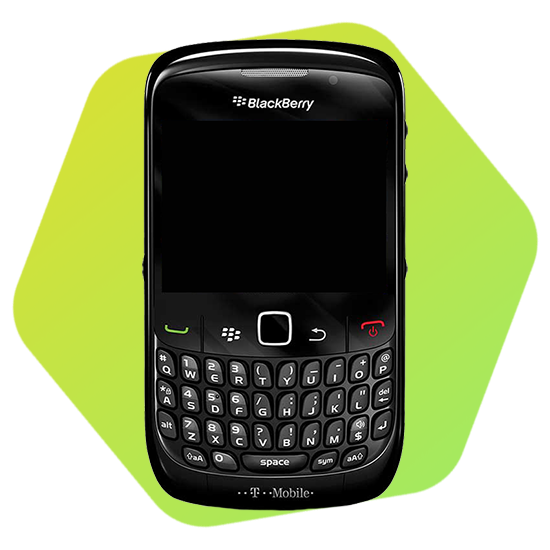
3G
Speed and connectivity were key development areas when researching and creating 3G. In Japan in 2001, 3G was announced and featured with speeds of up to 20 mbps – 100x the previous average from 2G.
The increased speeds meant users could stream music, video and partake in video conferences without interruption. Alongside, roaming capabilities expanded and online browsing was possible. Simple HTML websites could be explored and the WWW became a primary focus for many companies.
Around this time, the likes of Blackberry and Apple were introducing themselves to the masses, becoming the larger mobile phone players for the consumer.
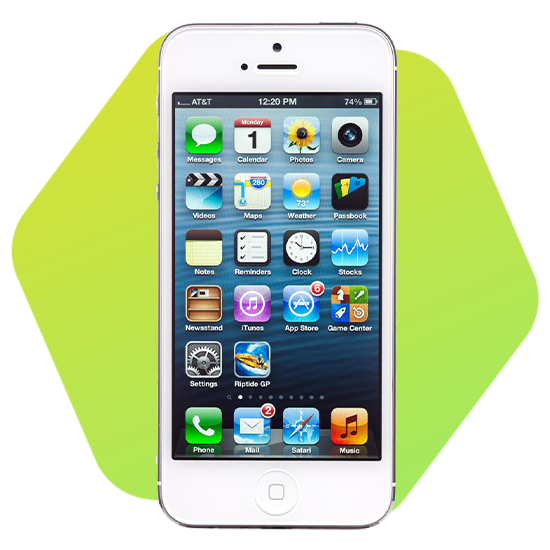
4G
For most, 4G is still the standard for mobile data plans and most users and providers have moved on from the previously mentioned mobile network history. Achieving up to 100 mbps+, 4G was a breakthrough in the world of connectivity. However, when it was first introduced for commercial use in Norway in 2009, to be classed as 4G, speeds of 12.5 mbps had to be achievable. Initially, this was possible so the term 4G LTE (Long Term Evolution) was used. The standard use of 4G quickly became the norm once further development had been launched.
There was only one issue with the launch of 4G – devices had to be compatible. Older mobile phones were limited to 3G and manufacturers needed to expand their offering to include 4G compatible devices. Apple and Samsung became the primary companies to offer 4G mobiles.
5G and beyond
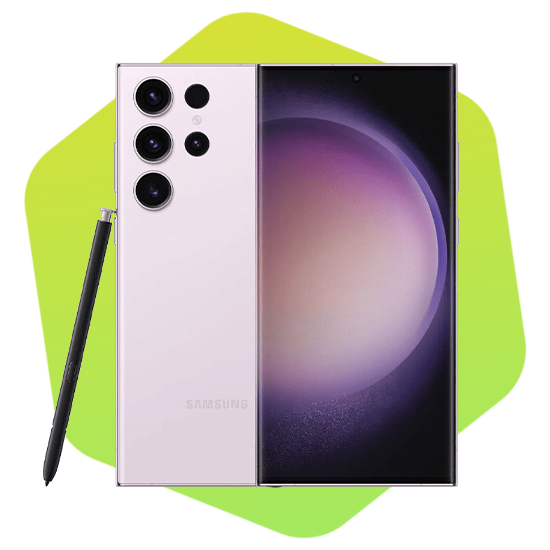
Continued efforts into mobile connectivity have not only expanded what we’re used to experiencing but brought it to a level we thought was impossible. 5G has allowed our mobile phones to go from simple calls and text messages to playing online games and streaming movies on the go. The speeds achievable now have gone from hundreds of megabytes to gigabytes – possibly reaching up to 20 gbps.
In South Korea in 2019, development made these numbers happen. Depending on the level of access you have to 5G towers, you’ll be able to browse and stream to your heart’s content. Within the UK, 5G towers are still being erected to maximise coverage. While this is going ahead, 4G and 5G connectivity seamlessly work together to get you the highest speeds wherever you are. To find out more about 5G towers, explore 5Gradar’s post surrounding cell towers.
No doubt further improvements and development into 5G and beyond will take place.
